Follow Diloya, take you to appreciate industry trends, real-time information
 Home > News > Company News
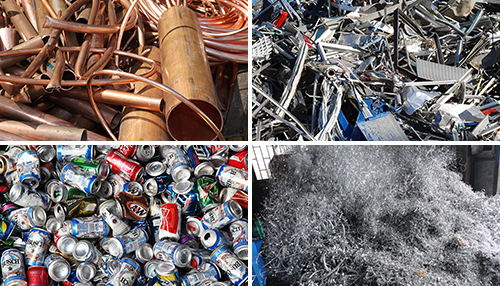
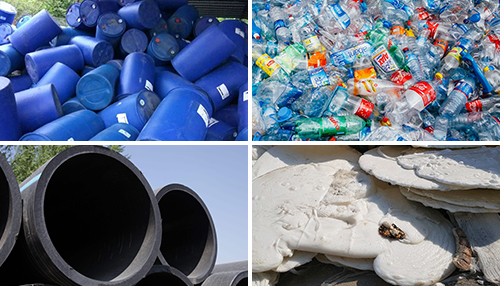
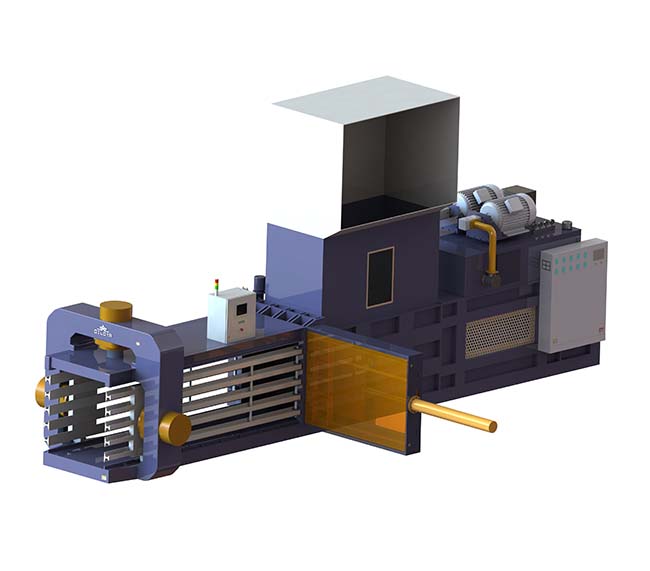
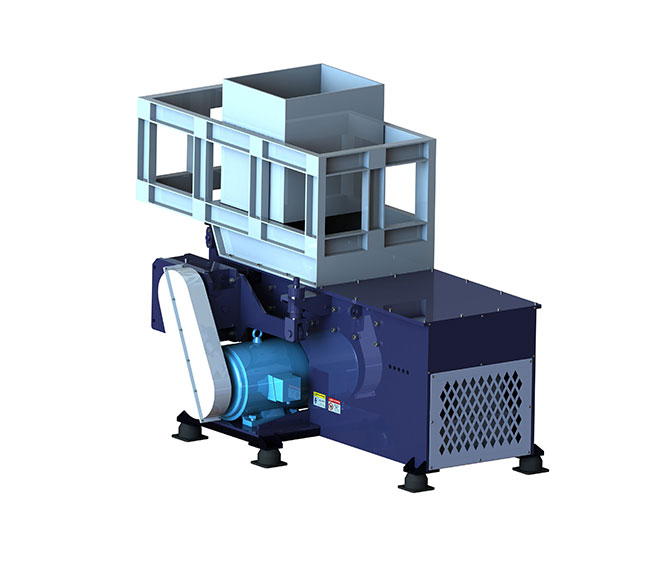
Insufficient pancake density in metal scrap pancake machines (also known as scrap baling machines or compactors) can negatively impact material handling, transportation efficiency, and recycling value. Several factors can contribute to this issue.
Below are the primary causes and their explanations:
1. Improper Pressure Settings
Cause: Insufficient hydraulic or mechanical pressure applied during compaction.Effect: Scrap metal does not compress adequately, resulting in loose, low-density pancakes.Solution: Verify and adjust the machine’s pressure settings according to manufacturer specifications and scrap type.
2. Worn or Damaged Compaction Ram/Platen
Cause: Dull, misaligned, or worn ram surfaces reduce contact efficiency and force transmission.Effect: Uneven compaction and reduced density due to poor surface contact with scrap.Solution: Regular inspection and maintenance; replace worn components promptly.
3. Inconsistent or Poor-Quality Feed Material
Cause: Mixed scrap types (e.g., soft aluminum with rigid steel), oversized pieces, or excessive voids (air gaps).Effect: Some materials don’t compress uniformly, leading to weak spots and lower overall density.Solution: Pre-sort scrap and remove non-compressible or oversized items. Use shredders or size-reduction equipment if needed.
4. Incorrect Baler Cycle Timing or Speed
Cause: Too fast a cycle reduces dwell time under pressure, preventing full compaction.Effect: Incomplete densification before the piston retracts.Solution: Optimize cycle timing—ensure sufficient hold time at maximum pressure.
 |
5. Misaligned or Loose Machine Components
Cause: Misalignment of the ram, frame, or guide rails leads to uneven force application.Effect: Compaction is inconsistent across the pancake, creating weak areas.Solution: Perform routine alignment checks and tighten bolts/hardware regularly.
6. Low Hydraulic Fluid Level or System Leaks
Cause: Reduced hydraulic pressure due to fluid loss or air in the system.Effect: Inadequate force delivered to the ram.Solution: Check fluid levels, inspect hoses and seals for leaks, and bleed air from the system.
7. Poorly Designed or Worn Die/Chamber
Cause: The die (forming chamber) may be too large, damaged, or improperly shaped.Effect: Scrap spreads out instead of being tightly compressed into a dense form.Solution: Replace or modify the die to match scrap type and desired density.
8. Inadequate Feeding Technique
Cause: Overloading or uneven feeding (e.g., dumping scrap in one spot).Effect: Air pockets form; some sections remain uncompressed.Solution: Feed scrap evenly and in controlled amounts; use automated feeders where possible.
9. Material Characteristics (e.g., High Porosity or Springback)
Cause: Certain metals (like aluminum alloys or thin sheet scrap) exhibit springback after compression.Effect: Pancakes expand slightly after ejection, reducing effective density.Solution: Increase dwell time, apply higher pressure, or use multiple compaction cycles.
10. Lack of Maintenance or Operator Error
Cause: Neglecting scheduled maintenance or improper operation procedures.Effect: Cumulative issues lead to suboptimal performance.Solution: Implement a preventive maintenance schedule and operator training.
 |
Summary Table:
| Cause | Impact on Density | Recommended Fix |
| Low pressure | Low density | Adjust pressure settings |
| Worn ram/platen | Inconsistent compaction | Replace or repair |
| Mixed/oversized scrap | Air gaps, weak spots | Pre-sort and shred |
| Fast cycle speed | Incomplete compaction | Extend dwell time |
| Misalignment | Uneven pressure | Align components |
| Hydraulic issues | Reduced force | Check fluid/leaks |
| Poor die design | Loose structure | Upgrade die |
| Improper feeding | Air pockets | Feed evenly |
| Material springback | Post-compaction expansion | Increase pressure/time |
| Poor maintenance | Cumulative failure | Schedule maintenance |
Pro Tip:
Use density testing (e.g., weight per cubic foot or kg/m³) regularly to benchmark performance and identify trends early.
By addressing these common causes systematically, operators can significantly improve pancake density, increase scrap value, and enhance operational efficiency.
 Product
Solution
Application
Support
News
About us
Contact Us
Product
Solution
Application
Support
News
About us
Contact Us
 Phone: +86 152 2134 7650
 E-mail: info@diloya.com
 Address: No. 888, West Two HuanHu Road, Shanghai Free Trade Zone, China


All rights reserved by DILOYA GROUP
Technical support: E-Power Network