Follow Diloya, take you to appreciate industry trends, real-time information
 Home > News > Company News
Bale Ejection Failure: Why Your Metal Baler Gets Stuck and How to Clear It
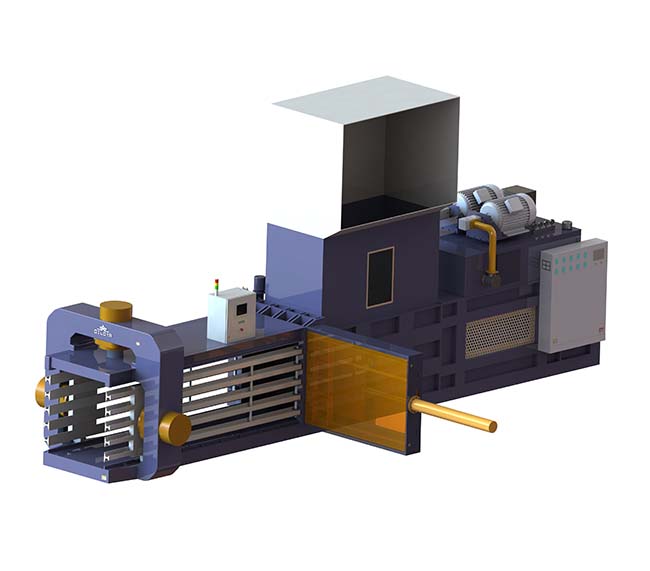
Metal balers are essential machines in recycling facilities, scrap yards, and industrial operations, compressing metal scraps into dense bales for easier handling and transport. However, one of the most frustrating issues operators face is bale ejection failure—when the compressed bale fails to eject properly, causing jams, downtime, and potential damage to the machine.
Let’s break down why this happens and how to prevent and resolve it effectively.
Common Causes of Bale Ejection Failure
1. Over-compression or Excessive Bale Density
- If the bale becomes too dense due to excessive pressure or insufficient release time, it can stick tightly to the chamber walls.Result: The bale won’t “pop” out during ejection.
2. Worn or Misaligned Ejection Mechanism
- Worn pistons, damaged ejection rods, or misaligned pusher plates can fail to apply proper force.Debris buildup or lack of lubrication can also hinder movement.
3. Improper Material Feed or Uneven Loading
- Mixing different types of metal (e.g., thin sheets with thick chunks) can create an uneven bale that doesn’t compact uniformly.Overloading the chamber with too much material leads to binding.
4. Moisture or Contaminants in Scrap
- Wet or oily metal scraps can cause adhesion between layers, making the bale stick to the chamber.Rust or debris may also act as a glue-like substance.
5. Faulty Sensors or Control System Issues
- Modern balers use sensors to detect bale completion and trigger ejection.A malfunctioning sensor might not signal ejection at all—or trigger it too early.
6. Mechanical Binding Due to Wear & Tear
- Bearings, guides, and rails can wear over time, leading to friction and resistance during ejection.Deformed or bent components can trap the bale.
7. Incorrect Settings or Calibration
- Pressure settings too high, ejection timing off, or incorrect stroke length can all lead to failure.
 |
How to Clear a Stuck Bale
If your baler has failed to eject and a bale is stuck:
Immediate Steps:
1. Power Down & Lock Out the Machine
- Follow OSHA/lockout/tagout (LOTO) procedures before any inspection or intervention.
2. Inspect the Chamber Visually
- Look for obstructions, misshapen bales, or foreign objects blocking the ejection path.
3. Check the Ejection Ram and Pusher Plate
- Ensure they’re free-moving and not jammed by debris or bent parts.
4. Use Manual Tools (Carefully!)
- Insert a long pry bar or hydraulic ram (if available) gently behind the bale to dislodge it.Avoid forcing tools aggressively—this can damage internal components.
5. Apply Lubricant (If Safe)
- Lightly spray a non-stick lubricant (like silicone spray) around the bale edges and chamber walls—*only if safe and appropriate*.
6. Try Re-Pressurizing (With Caution)
- In some cases, running the press cycle again *without* new material may help shift the stuck bale.Only do this if you're confident the machine isn’t under stress.
7. Remove the Baler Door or Access Panel (If Needed)
- Some models allow access from the side or rear for bale removal.
> Never attempt to remove a stuck bale while the machine is powered on.
 |
Prevention Tips to Avoid Future Ejection Failures
| Prevention Strategy | Benefit |
| Regular maintenance of ejection components | Prevents wear-related failures |
| Clean chamber after each bale | Removes residue and moisture buildup |
| Use consistent, dry, clean scrap feed | Reduces adhesion and uneven compaction |
| Calibrate pressure and ejection timing regularly | Ensures optimal performance |
| Train operators on proper loading techniques | Prevents overloading and improper feeding |
| Install anti-jam sensors or alarms | Early warning of potential blockages |
Pro Tips:
- Keep a log of bale ejections and failures—patterns can reveal underlying issues.Consider upgrading to a baler with automatic bale release systems or dual ejection mechanisms for stubborn materials.For high-volume operations, install a bale breaker or ejection assist tool for rapid recovery.
Final Thoughts
A stuck bale isn’t just inconvenient—it can lead to costly downtime, equipment damage, and safety hazards. By understanding common causes and taking proactive steps, you can minimize ejection failures and keep your metal baler running smoothly.
Stay vigilant. Maintain consistently. Act fast when stuck.
When in doubt, consult your baler manufacturer’s manual or contact a certified technician.
Need help diagnosing a specific model? Let us know the brand and model number—we’ll provide tailored troubleshooting steps.
 Product
Solution
Application
Support
News
About us
Contact Us
Product
Solution
Application
Support
News
About us
Contact Us
 Phone: +86 152 2134 7650
 E-mail: info@diloya.com
 Address: No. 888, West Two HuanHu Road, Shanghai Free Trade Zone, China


All rights reserved by DILOYA GROUP
Technical support: E-Power Network