Follow Diloya, take you to appreciate industry trends, real-time information
 Home > News > Recent Report
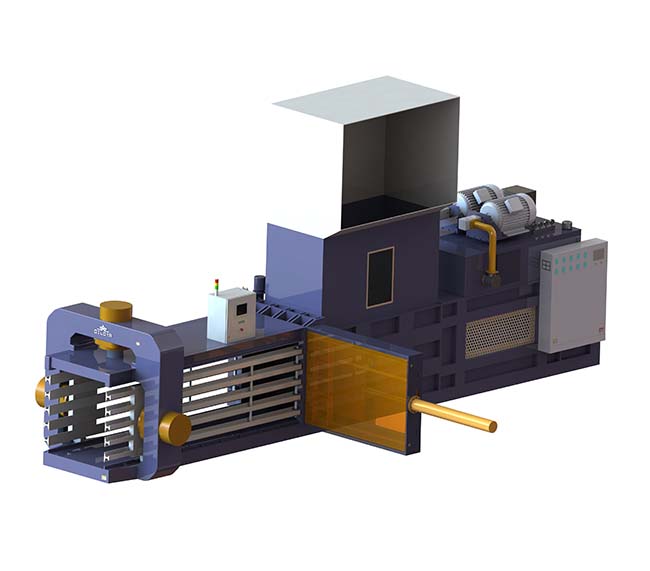
If your baler is overheating, it can lead to serious mechanical damage, downtime, and even safety hazards. Understanding the causes, recognizing early warning signs, and implementing effective cooling solutions are essential for maintaining optimal performance and extending equipment life.
Common Causes of Baler Overheating
1. Overloading the Machine
- Feeding too much material (e.g., dense hay, wet straw, or excessive volume) forces the baler’s engine, hydraulic system, or motor to work beyond capacity.Result: Increased friction and heat generation in belts, rollers, and drive systems.
2. Poor Maintenance & Lubrication
- Lack of regular lubrication on bearings, rollers, and chains increases friction.Worn or seized components generate excess heat.Old or degraded lubricants lose their effectiveness.
3. Clogged or Blocked Components
- Debris buildup in the bale chamber, pickup teeth, or feed rollers restricts movement.Restricted flow increases resistance and strain on motors and belts.
4. Faulty Hydraulic System
- Low hydraulic fluid levels, contaminated fluid, or a failing pump can cause pressure spikes and overheating.Overworked hydraulics generate significant heat.
5. Worn or Misaligned Belts & Drives
- Loose, worn, or misaligned belts slip and create friction.This generates heat and reduces efficiency.
6. Inadequate Cooling System
- Dirty radiator fins, clogged air filters, or malfunctioning fans reduce cooling efficiency.
Especially common in tractor-powered balers with external cooling units.
7. Engine or Motor Issues
- Overheated engine due to low coolant, radiator blockages, or fan belt problems.Electric motors may overheat if running continuously without breaks or if voltage is inconsistent.
8. Operating in Extreme Conditions
- High ambient temperatures or prolonged operation without rest increase thermal stress.
 |
Warning Signs Your Baler Is Overheating
Unusual Burning Smell: Often from overheated belts, wires, or hydraulic fluid.Smoke or Steam: Visible emissions indicate severe overheating.Abnormal Noises: Grinding, squealing, or whining sounds from belts or gears.Reduced Performance: Sluggish bale formation, weak compression, or frequent stalling.Dashboard Alerts (if equipped): Temperature gauges spiking into the red zone.Hot Surfaces: The baler frame, motor housing, or hydraulic reservoir feels excessively hot to the touch.
Effective Cooling and Prevention Solutions
1. Regular Maintenance Schedule
- Lubricate all moving parts per manufacturer guidelines.Replace worn belts, rollers, and bearings promptly.Clean debris after every use—especially from the bale chamber and pickup system.
2. Proper Loading Practices
- Avoid overfeeding; adjust the feeder speed based on material type and moisture content.Use consistent, manageable loads.
3. Check and Maintain Hydraulic System
- Inspect fluid level, condition, and filter regularly.Flush and replace hydraulic fluid as recommended.Address leaks immediately.
4. Ensure Adequate Cooling
- Clean radiator fins and air intake screens.Check that cooling fans spin freely and are not blocked.Ensure proper airflow around the engine and hydraulic components.
5. Monitor Operating Time
- Allow 10–15 minute cool-down periods during long baling sessions.Avoid continuous operation beyond recommended limits.
 |
6. Use Quality Fuel and Fluids
- Use manufacturer-recommended oil, coolant, and hydraulic fluid.Avoid mixing different types or brands.
7. Upgrade or Repair When Needed
- Consider installing auxiliary cooling fans or upgraded radiators for heavy-duty use.Replace aging motors or engines that struggle under load.
When to Call a Professional
If overheating persists despite maintenance:There may be internal issues like bearing failure, electrical faults, or hydraulic system malfunctions.A certified technician can perform diagnostics using thermal imaging, pressure tests, and system checks.
Bottom Line: An overheating baler isn’t just inefficient—it’s dangerous. Stay proactive with maintenance, monitor performance closely, and address warnings immediately. A well-maintained baler runs cooler, lasts longer, and keeps your operation running smoothly.
Let me know if you'd like a printable maintenance checklist or troubleshooting flowchart!
 Product
Solution
Application
Support
News
About us
Contact Us
Product
Solution
Application
Support
News
About us
Contact Us
 Phone: +86 152 2134 7650
 E-mail: info@diloya.com
 Address: No. 888, West Two HuanHu Road, Shanghai Free Trade Zone, China


All rights reserved by DILOYA GROUP
Technical support: E-Power Network