Follow Diloya, take you to appreciate industry trends, real-time information
 Home > News > Industry News
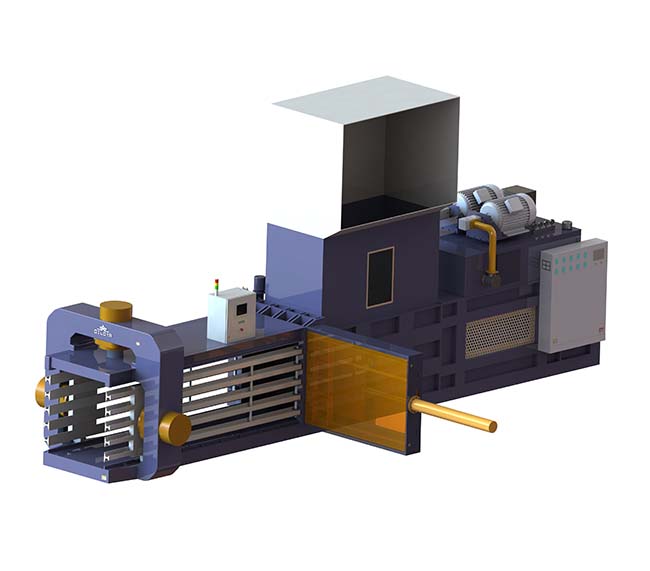
Extending the lifespan of your hydraulic baler is essential for maximizing productivity, reducing downtime, and minimizing costly repairs. With proper maintenance, a hydraulic baler can serve you reliably for many years.
Here are 7 proven maintenance habits that work to keep your baler in peak condition:
1. Perform Regular Hydraulic Fluid Checks and Changes
Hydraulic fluid is the lifeblood of your baler. Over time, it breaks down due to heat, contamination, and wear.
Check fluid levels weekly—ensure they’re within the recommended range.Inspect fluid color and clarity—clean fluid is amber; dark or cloudy fluid indicates contamination or degradation.Change hydraulic fluid every 2,000–4,000 operating hours, or as recommended by the manufacturer.Use only the correct type and grade of hydraulic fluid specified in your manual.
Why it works: Prevents pump wear, seal damage, and system inefficiencies caused by contaminated or degraded fluid.
2. Clean and Inspect the Baler Daily
Dust, debris, and residue from baled materials (like paper, plastic, or metal) can accumulate and cause mechanical issues.
- Wipe down exterior surfaces and remove loose debris after each use.Use compressed air or a brush to clean around rollers, belts, and moving parts.Check for signs of wear, cracks, or misalignment during cleaning.
Why it works: Prevents clogging, reduces friction, and catches small problems before they become major failures.
 |
3. Lubricate Moving Parts Consistently
Proper lubrication reduces friction and prevents premature wear on bearings, chains, and pivot points.
- Follow the manufacturer’s lubrication schedule (typically daily or weekly).Use high-quality grease suitable for heavy-duty industrial equipment.Focus on chain drives, pivot arms, rollers, and hinges.
Why it works: Minimizes metal-on-metal contact, extends component life, and ensures smooth operation.
4. Inspect and Replace Worn Belts, Chains, and Hoses
Wear and tear are inevitable with continuous use. Ignoring worn components can lead to breakdowns.
- Check belts for fraying, cracking, or stretching.Inspect chains for elongation, rust, or broken links.Examine hydraulic hoses for bulges, leaks, or abrasions.
Why it works: Prevents sudden failure during operation, which can damage other parts and cause safety hazards.
5. Monitor and Maintain Hydraulic System Pressure
Incorrect pressure settings can strain the system and reduce efficiency.
- Use a pressure gauge to check system pressure regularly.Ensure pressure matches the manufacturer’s specifications.Address any pressure fluctuations immediately—this may indicate a leak, faulty valve, or pump issue.
Why it works: Maintains optimal performance and protects hydraulic components from overloading.
 |
6. Keep the Frame and Structural Components Intact
The frame supports all mechanical forces. Any structural damage compromises safety and function.
- Inspect welds, brackets, and mounting points for cracks or warping.Tighten bolts and fasteners regularly—vibration loosens them over time.Avoid overloading the baler beyond its rated capacity.
Why it works: Prevents catastrophic failure and maintains alignment of critical components.
7. Schedule Professional Servicing Annually
Even with diligent daily care, professional inspection is crucial.
- Have a certified technician perform a full diagnostic check at least once a year.They’ll assess internal components like pumps, valves, cylinders, and seals.Replace hidden wear items before they fail.
Why it works: Catches issues invisible to routine checks and ensures long-term reliability.
Bonus Tip: Keep a Maintenance Log
Document every inspection, fluid change, part replacement, and repair. This helps track patterns, predict future needs, and maintain warranty compliance.
Final Thoughts
A well-maintained hydraulic baler isn’t just more reliable—it’s safer and more cost-effective. By adopting these 7 proven maintenance habits, you’ll extend your machine’s lifespan, improve efficiency, and avoid unexpected downtime.
> Remember: Prevention beats repair. The time you invest in maintenance now saves money and frustration later.
Stay proactive, follow your manual, and treat your baler like the valuable asset it is!
 Product
Solution
Application
Support
News
About us
Contact Us
Product
Solution
Application
Support
News
About us
Contact Us
 Phone: +86 152 2134 7650
 E-mail: info@diloya.com
 Address: No. 888, West Two HuanHu Road, Shanghai Free Trade Zone, China


All rights reserved by DILOYA GROUP
Technical support: E-Power Network